

End Locking Panel
36" End Locking Panel (Fits 30" Spreader)
$956.00
Skip to product information
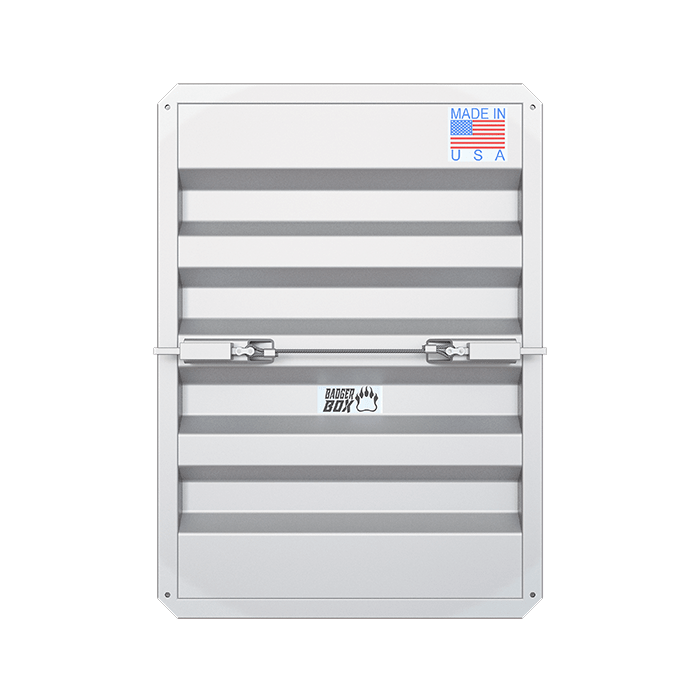
End Locking Panel
$956.00
End Locking Panels for Badger Box & Aluminum Trench Shoring Systems
End Panels close off the open ends of aluminum trench boxes, creating fully enclosed, OSHA-compliant protective systems that prevent soil sloughing and collapse at trench termination points. Constructed from lightweight aluminum, these panels integrate with Badger Box trench-shoring systems to provide secure end-wall protection without requiring heavy machinery for installation.
Why Choose End Panels
- Complete Enclosure: Transforms 2-sided trench boxes into 4-sided protective systems
- Soil Sloughing Prevention: Blocks cave-ins at open trench ends where soil is most unstable
- Lightweight Aluminum: Easy crew handling and setup without equipment assistance
- System Integration: Uses standard pins and braces—no specialized hardware required
When to Use End Panels
Use End Panels when trench excavation terminates at a point where workers must access the end of the trench box—common in dead-end utility installations, service line tie-ins, or anywhere the trench doesn’t continue beyond the shoring system. They’re essential when soil conditions make open-end cave-ins likely or when OSHA compliance requires full enclosure.
They’re especially valuable for:
∙ Dead-end utility trenches where excavation stops at a connection point
∙ Service line installations terminating at building foundations or existing infrastructure
∙ Unstable or Type C soil conditions where end-wall collapse risk is high
∙ Municipal repair work in narrow trenches with limited working space
∙ Any application where OSHA inspectors require fully enclosed protective systems
Why End Panels Matter
Standard trench boxes protect the sides but leave ends open—a calculated risk when trenches continue beyond the box or soil is stable. But when excavation stops inside the box, those open ends become the most dangerous part of the trench. Unsupported vertical faces at trench termination points collapse without warning, burying workers who assume the shoring system has them covered.
End panels eliminate that blind spot. For contractors working dead-end trenches (water service to a house, gas line to a meter, fiber drop to a pedestal), end panels are the difference between partial protection and full enclosure. For municipal crews in Type B or C soil, they’re often the only way to meet OSHA compliance when competent persons flag open-end hazards.